

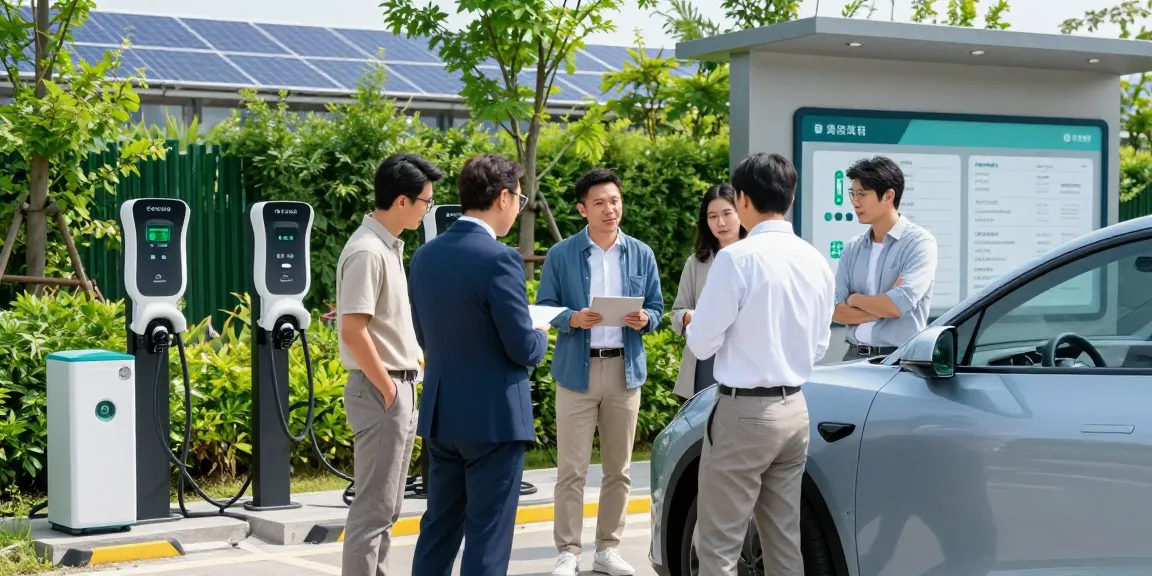
Understanding EV Technology: Basics and Benefits
Electric Vehicle (EV) technology is revolutionizing the automotive industry, offering a cleaner and more sustainable alternative to traditional gasoline-powered vehicles. With advancements in battery technology, charging infrastructure, and consumer awareness, EVs are becoming increasingly accessible and appealing to a broader audience. When exploring options, EV technology provides comprehensive insights that can help consumers navigate the complexities of choosing the right electric vehicle for their needs.
What is EV Technology?
EV technology refers to the systems and components that enable vehicles to operate primarily on electrical power rather than fossil fuels. This technology encompasses a range of vehicle types, including Battery Electric Vehicles (BEVs), Plug-in Hybrid Electric Vehicles (PHEVs), and Fuel Cell Electric Vehicles (FCEVs). Each of these vehicles utilizes electric power in different ways, impacting their efficiency, range, and performance.
Key Advantages of Electric Vehicles
Electric vehicles offer numerous advantages over their internal combustion engine counterparts, including:
- Environmental Benefits: EVs produce zero tailpipe emissions, contributing to reduced air pollution and greenhouse gas emissions.
- Cost-effectiveness: Although the initial purchase price may be higher, EVs generally have lower operating costs due to reduced fuel and maintenance expenses.
- Incentives and Rebates: Many governments provide tax credits and incentives to promote EV adoption, making them more affordable.
- Performance: Electric vehicles offer instant torque and a quiet driving experience, often outperforming traditional vehicles in acceleration and handling.
Types of Electric Vehicles Explained
To better understand EV technology, it’s essential to familiarize yourself with the different types of electric vehicles:
- Battery Electric Vehicles (BEVs): Powered entirely by electric batteries, BEVs do not use any fossil fuels and are known for their efficiency and low operational costs.
- Plug-in Hybrid Electric Vehicles (PHEVs): These vehicles combine an internal combustion engine with an electric motor, allowing them to run on both electricity and gasoline. They are ideal for drivers who need flexibility in range.
- Fuel Cell Electric Vehicles (FCEVs): Using hydrogen as fuel, FCEVs convert chemical energy into electricity, producing only water as a byproduct. They offer quick refueling times and long range, making them suitable for specific markets.
Current EV Technology Trends
The landscape of EV technology is constantly evolving, driven by consumer demand, technological advancements, and global sustainability goals. Here are some of the most noteworthy trends:
Advancements in Battery Technologies
Battery technology is at the heart of EV innovation. Recent developments include:
- Solid-State Batteries: These are expected to replace traditional lithium-ion batteries, offering higher energy density, improved safety, and faster charging times.
- Sodium-Ion Batteries: Emerging as a cost-effective alternative to lithium-ion, sodium-ion technology promises to lower costs while maintaining performance metrics.
- Battery Recycling Technologies: Efforts are underway to improve recycling processes to recover valuable materials from used batteries, promoting a circular economy in the EV sector.
Charging Infrastructure Developments
As the demand for electric vehicles grows, the need for a robust charging infrastructure becomes imperative. Current trends include:
- Fast Charging Stations: New technologies enable fast chargers that can replenish batteries in as little as 15-30 minutes, making long-distance travel more feasible.
- Home Charging Solutions: Innovations in home charging systems allow for easier installations, making it more convenient for EV owners to charge overnight.
- Integration with Smart Grids: Future charging networks will increasingly integrate with smart grid technologies to optimize charging times and electricity costs while supporting renewable energy sources.
Integration of Renewable Energy Sources
To maximize the environmental benefits of electric vehicles, integrating renewable energy sources into the charging process is crucial. This includes:
- Solar-Powered Charging Stations: These installations utilize solar panels to provide clean energy directly to charging stations, significantly reducing CO2 emissions associated with charging.
- Wind Energy Integration: Wind farms can contribute electricity to EV charging networks, promoting sustainability and enhancing grid resilience.
Challenges Facing EV Technology Adoption
Despite the clear advantages and advancements in EV technology, several challenges continue to hinder widespread adoption:
High Initial Costs of Electric Vehicles
The upfront cost of electric vehicles remains one of the most significant barriers. Although prices are declining, consumers may still hesitate to invest in new technology when traditional vehicles are available at lower prices.
Insufficient Charging Infrastructure
While charging infrastructure is improving, many regions still lack adequate charging stations. This is particularly evident in rural areas, where access to efficient charging can deter potential buyers.
Consumer Misconceptions about EVs
Misunderstandings regarding the capabilities and performance of electric vehicles can impact consumer decision-making. Common misconceptions include concerns about range anxiety, battery life, and the environmental impact of battery production.
Implementing EV Technology in Daily Life
For those considering making the switch to an electric vehicle, understanding how to integrate EV technology into daily life is crucial:
How to Choose the Right EV for You
Consider various factors when selecting an electric vehicle, such as:
- Driving Range: Assess your typical driving needs to ensure the vehicle meets your daily requirements without frequent charging.
- Charging Options: Evaluate home charging capabilities and proximity to public charging stations to ensure convenience.
- Vehicle Type: Choose between BEVs, PHEVs, and FCEVs based on your driving habits and preferences.
Home Charging Solutions and Options
Installing a home charging station can significantly enhance the EV ownership experience. Considerations include:
- Level 1 Charging: Standard home outlets that can charge a vehicle overnight but may be slower.
- Level 2 Charging: Requires a dedicated charging unit and can recharge a vehicle in a few hours, making it ideal for home use.
Benefits of Joining EV Communities
Participating in local EV communities can provide valuable resources, support, and networking opportunities. Benefits include:
- Shared Experiences: Learn from other EV owners about their experiences, challenges, and solutions.
- Access to Local Events: Engage in events offering test drives, educational workshops, and discussions on local policy changes affecting EVs.
The Future of EV Technology: Predictions for 2026 and Beyond
As we look forward, several predictions and trends could shape the future of EV technology in the coming years:
Emerging Technologies in EVs
Innovations, including improved battery technologies and advanced AI systems for autonomous driving, are expected to enhance the capabilities of electric vehicles.
Potential Policy Changes and Incentives
Governments may introduce new policies to incentivize EV purchases further and develop infrastructure, accelerating the transition to electric mobility.
Impact of EVs on Urban Mobility
Electric vehicles are poised to transform urban transportation, reducing congestion and pollution while promoting public health. This shift will necessitate city planning that accommodates charging stations and encourages sustainable practices.
What are the common misconceptions about EV technology?
Many potential EV users harbor misconceptions, including doubts about the vehicles’ reliability, range, and overall cost-effectiveness, stemming from a lack of understanding and outdated information.
How do battery technologies influence EV performance?
Battery technologies directly affect an EV’s range, charging time, and efficiency. Innovations in solid-state batteries and energy management systems promise to enhance performance and safety.
What is the latest trend in electric vehicle charging?
Trends in EV charging currently focus on creating standardized fast-charging solutions and integrating wireless charging options to streamline the user experience.
What are the environmental benefits of EVs?
In addition to reducing greenhouse gas emissions, EVs help decrease local air pollution, contributing to overall public health improvements, particularly in urban settings.
How can government policies affect EV adoption?
Policies that promote EV adoption through incentives, tax breaks, and funding for infrastructure development play a crucial role in accelerating market growth and public acceptance of electric vehicles.